

Stereophotography: From Victorian Parlors to Extended Reality
The journey of stereophotography from its Victorian origins to today’s extended reality (XR) technologies offers fascinating insights into both the evolution of visual technology and human perception. Recent developments, including a November 2024 meeting of the Dutch Stereography Association (NVvS), demonstrate how this seemingly vintage technique remains remarkably relevant in our digital age.
Historical Foundation and Technical Evolution
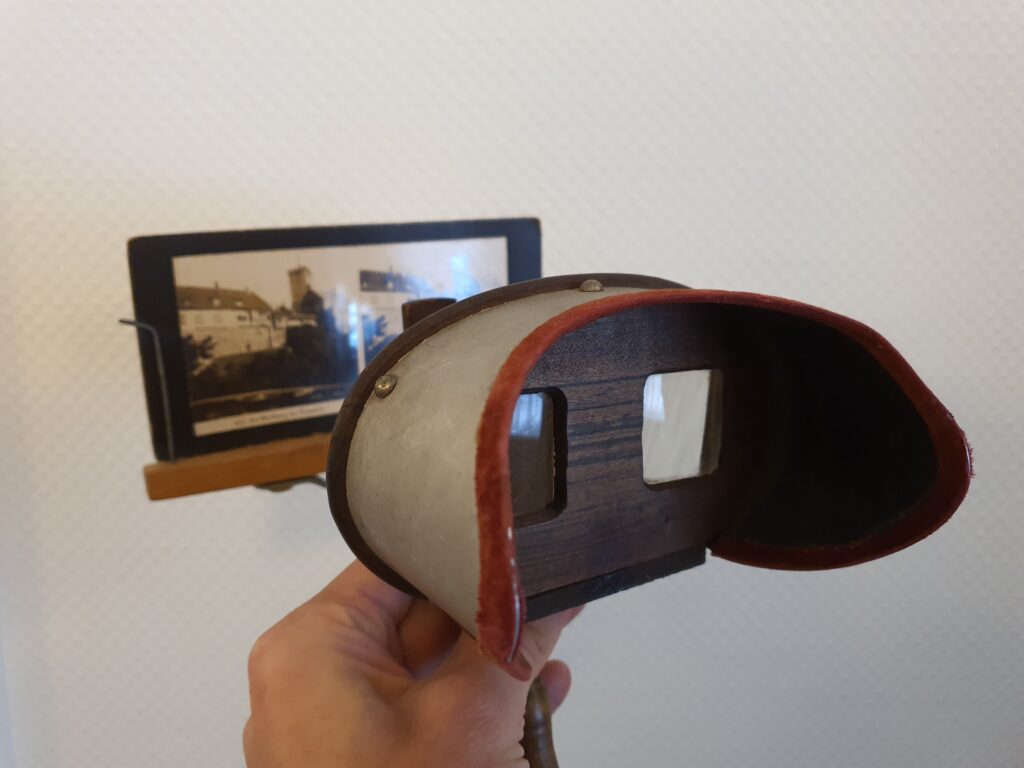
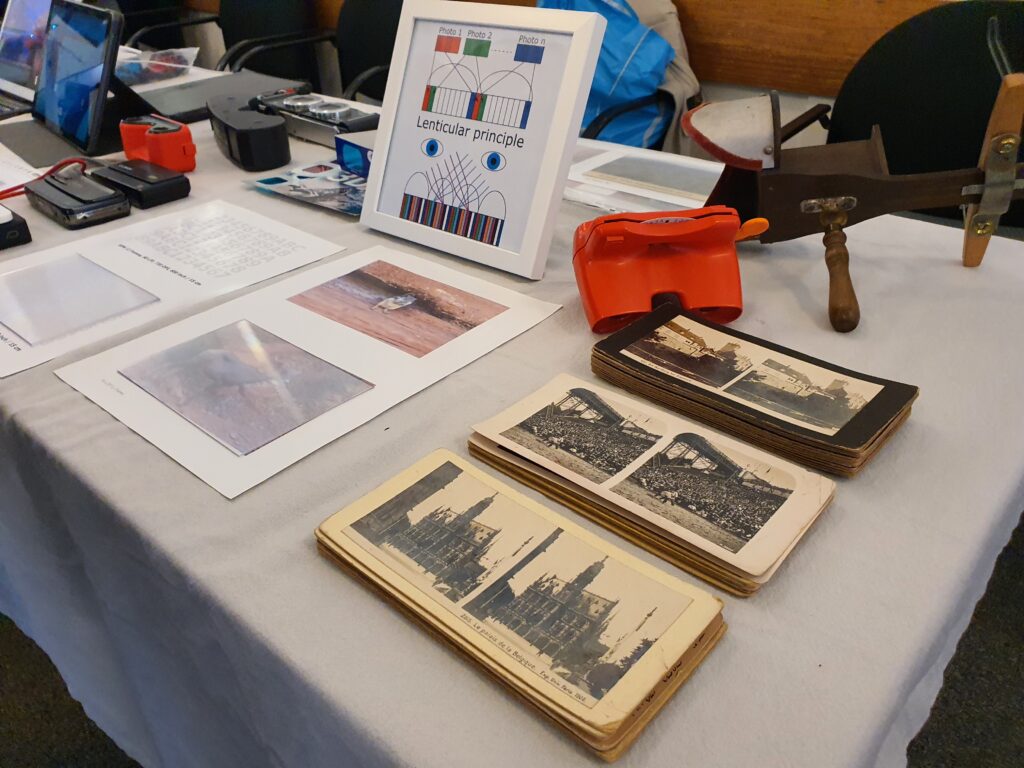
When stereophotography emerged in the mid-19th century, it represented a revolutionary approach to visual representation. By presenting slightly different images to each eye, stereographers could create an illusion of depth that seemed magical to Victorian audiences. This fundamental principle – that human depth perception relies on binocular disparity – would prove to be far more significant than those early practitioners could have imagined.
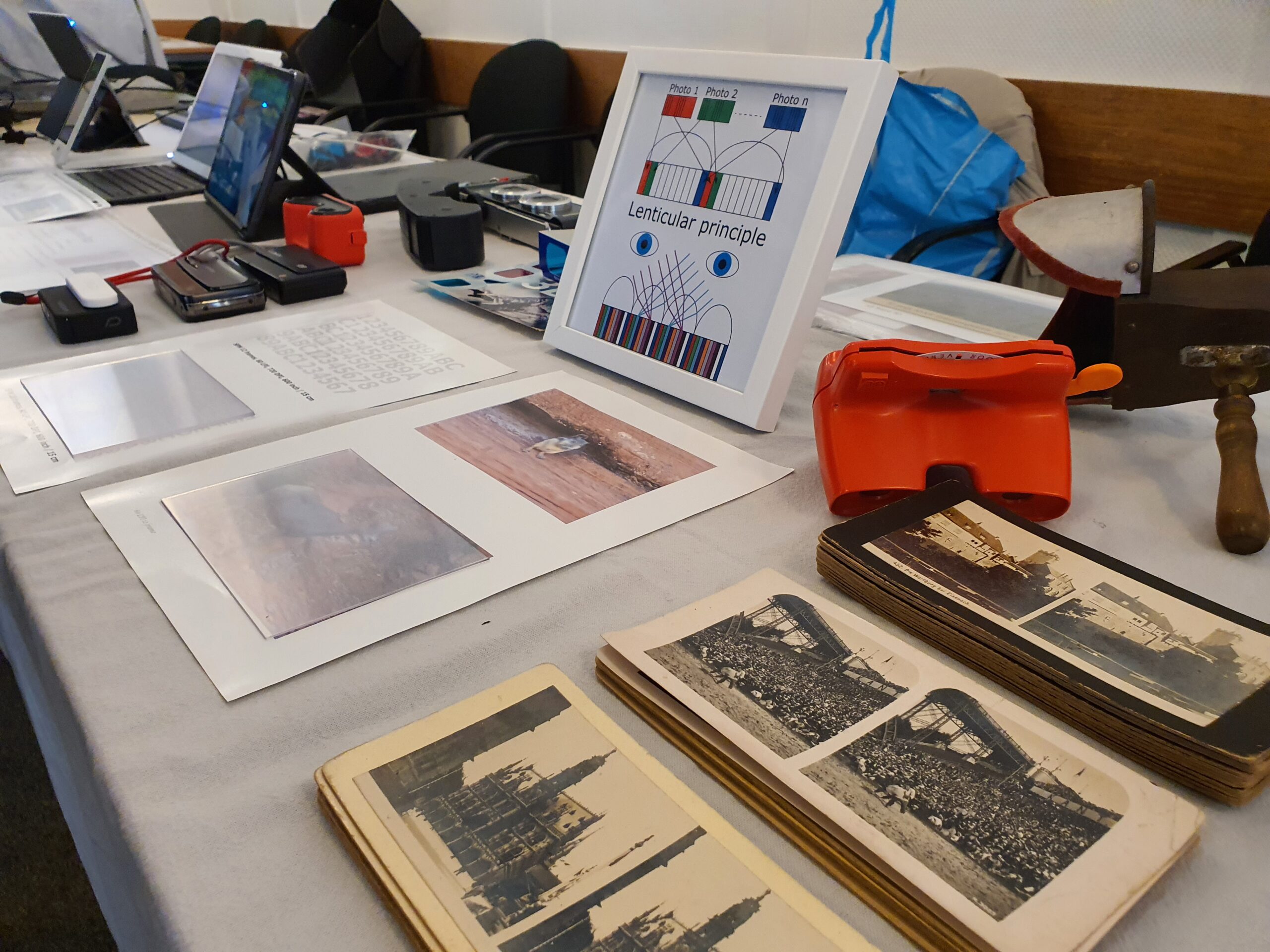
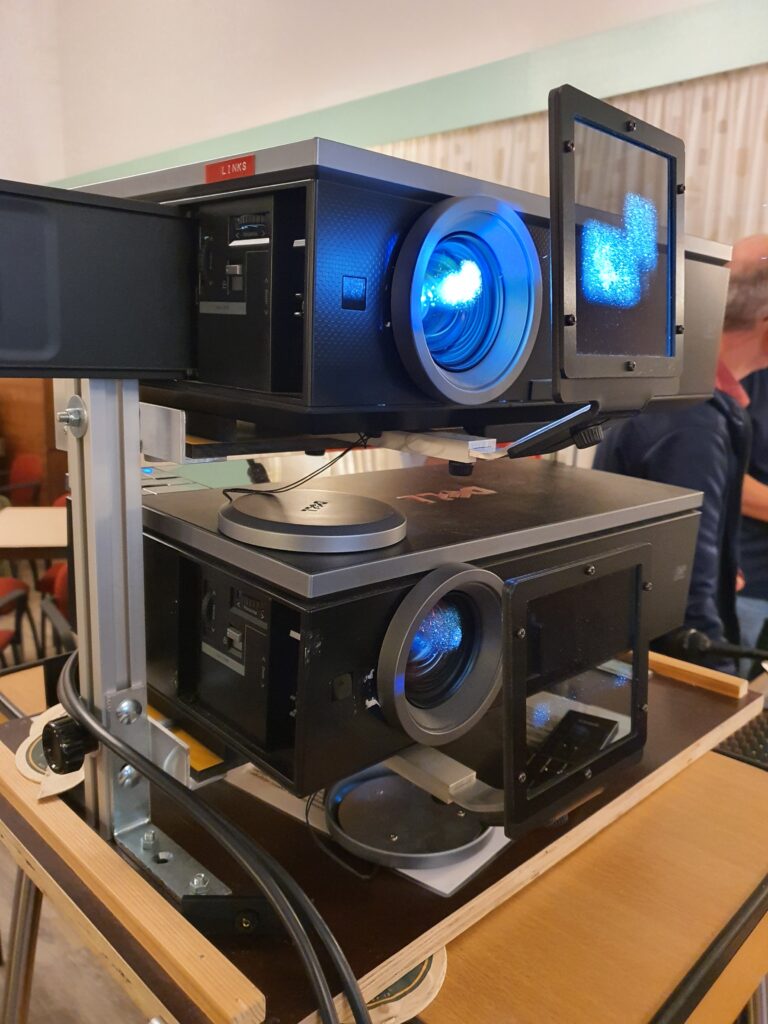
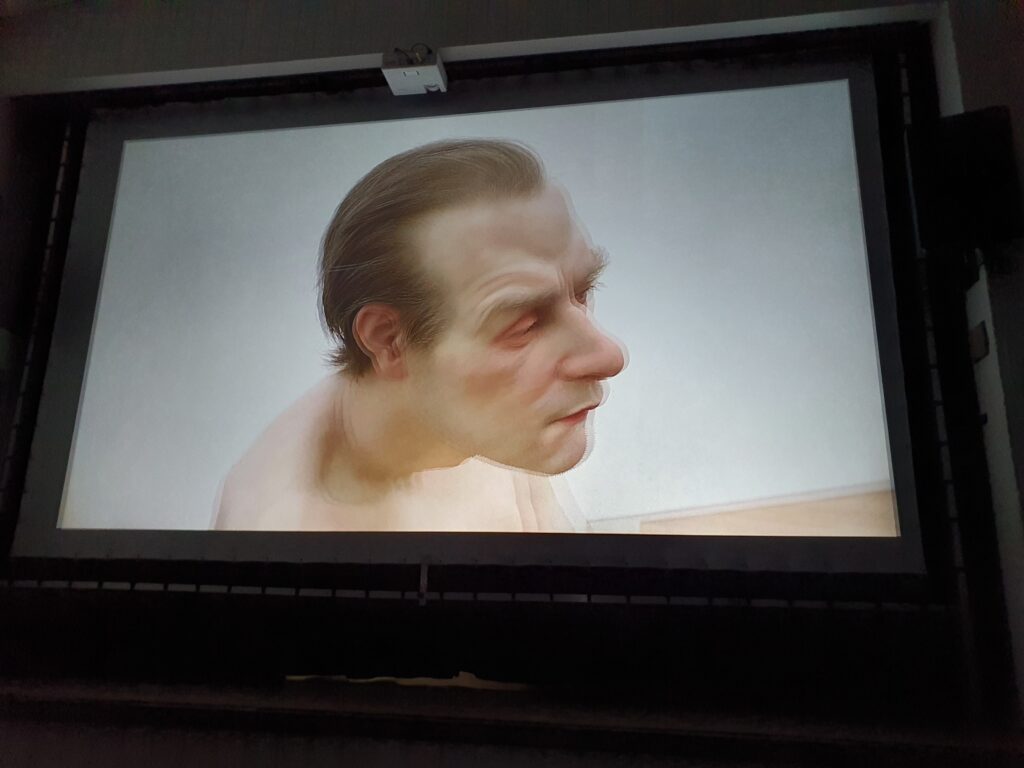
The technique flourished in the late 19th century, with stereoscopes becoming common fixtures in middle-class homes. Photographers documented everything from domestic scenes to grand landscapes, creating an invaluable archive of three-dimensional historical documentation. This versatility in subject matter continues today, as evidenced by the NVvS meeting, where members showcased works ranging from landscapes and nature to art and documentation.
Bridge to Modern Technology
What makes stereophotography particularly interesting is its role as a predecessor to modern XR technologies. The basic principle of presenting distinct images to each eye remains fundamental to virtual and augmented reality systems. While today’s head-mounted displays and virtual retinal displays employ more sophisticated methods, they build upon the stereoscopic foundation established over 150 years ago.
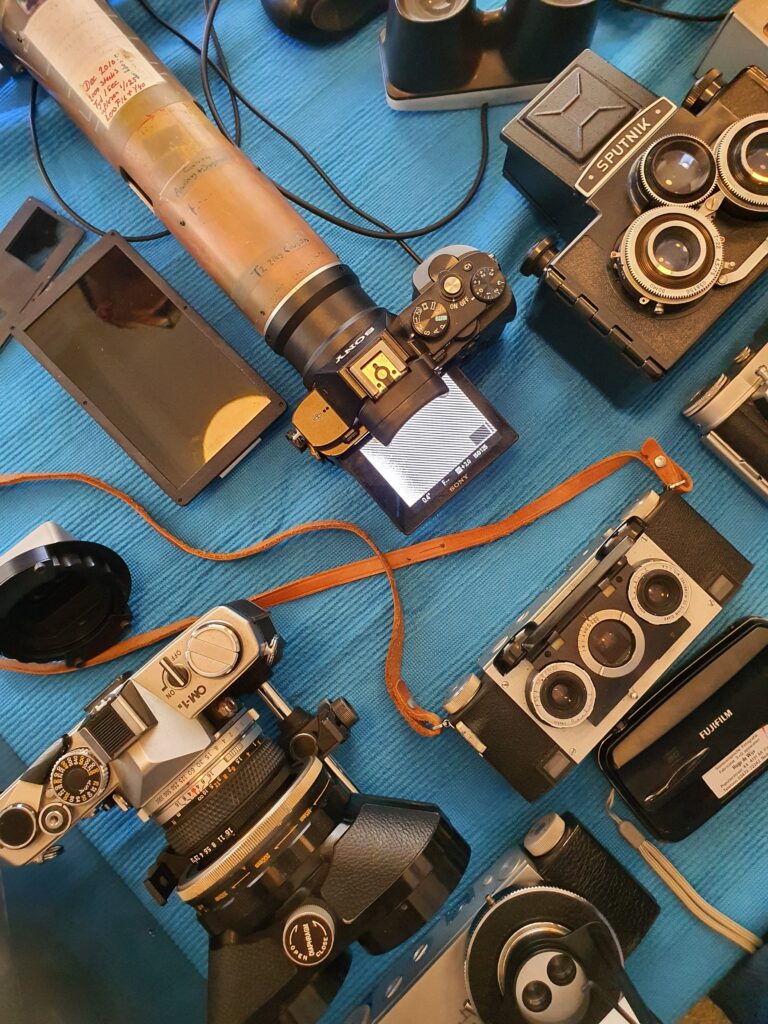
The technical considerations that stereophotographers grapple with – such as baseline distance between lenses and the creation of wide-base shots – have direct parallels in XR content creation. These fundamental concepts continue to influence how we approach the development of three-dimensional content in modern immersive technologies.
Contemporary Relevance
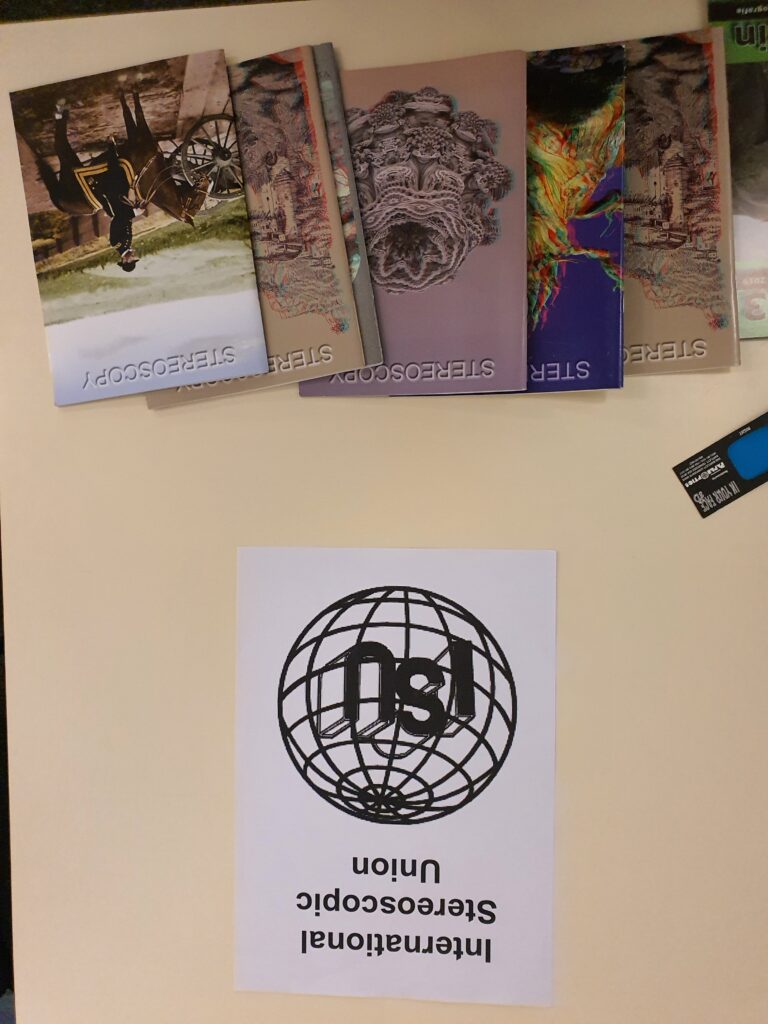
The ongoing vitality of stereophotography is demonstrated by active communities like the NVvS, whose members continue to explore and push the boundaries of the medium. Their work in capturing and sharing spatial experiences aligns closely with the goals of modern XR development, suggesting that stereophotography serves not just as a historical predecessor but as a continuing source of insight for immersive technology development.
Lessons Learned
Several key lessons emerge from this 150-year journey:
- Fundamental principles endure: The basic concepts of stereoscopic vision remain as relevant today as they were in the 1800s, informing how we develop new immersive technologies.
- Technical evolution builds on basics: While modern XR technologies are far more sophisticated than Victorian stereoscopes, they build upon the same core understanding of human visual perception.
- Versatility drives longevity: Stereophotography’s ability to capture everything from artistic expressions to documentary evidence has helped maintain its relevance across generations.
- Community drives innovation: As demonstrated by groups like the NVvS, active communities of practitioners continue to explore and advance stereoscopic techniques, contributing to the broader field of immersive technology.
Looking Forward
As we continue to develop new forms of immersive media, the lessons and techniques of stereophotography remain surprisingly relevant. The persistence of this technology, from Victorian parlors to modern XR laboratories, suggests that understanding historical approaches to three-dimensional imaging can inform future innovations in spatial computing and immersive experiences.
The recent NVvS meeting, bringing together enthusiasts to share and discuss their work, demonstrates that stereophotography isn’t merely a historical curiosity but a living practice that continues to evolve alongside and inform modern technological development. As we push forward into new frontiers of extended reality, the foundational insights of stereophotography continue to inspire.
Leave a Reply
You must be logged in to post a comment.